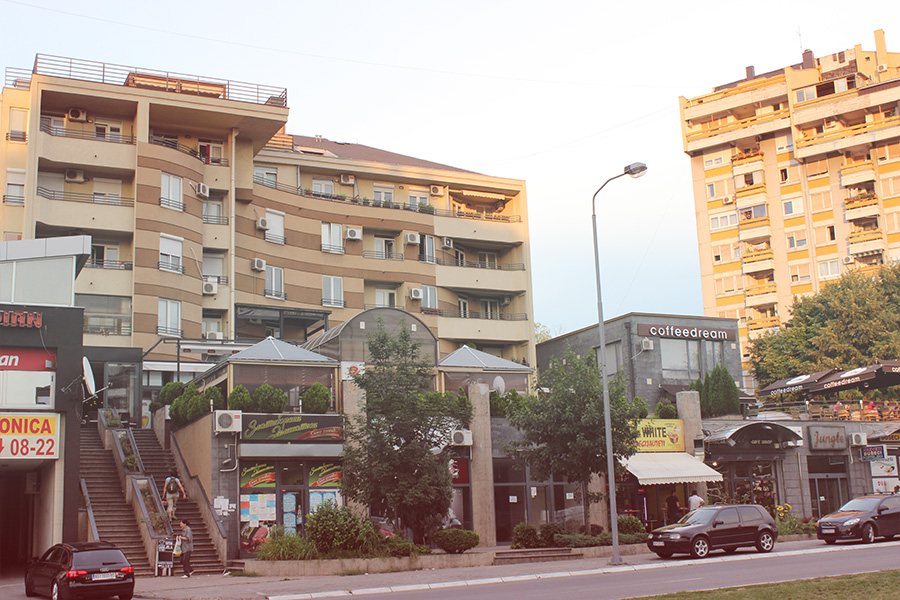
People who have lived in Čukarica rarely choose to leave it. This is something you will hear from most of the nearly 200,000 residents who currently live in this Belgrade municipality—whether they were born here or moved later in life. Čukarica offers an ideal balance for those who want to escape the dense urban core while still remaining close to the city center.
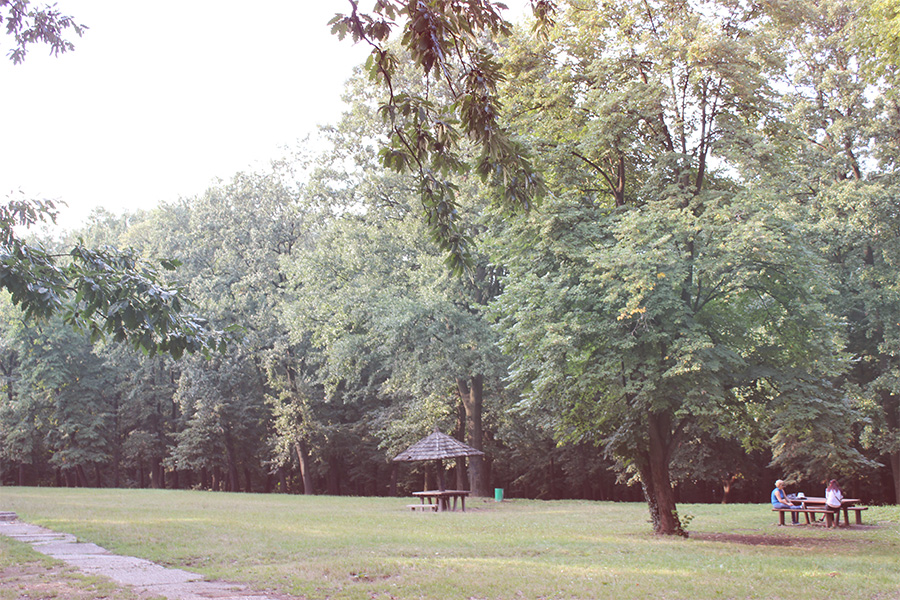
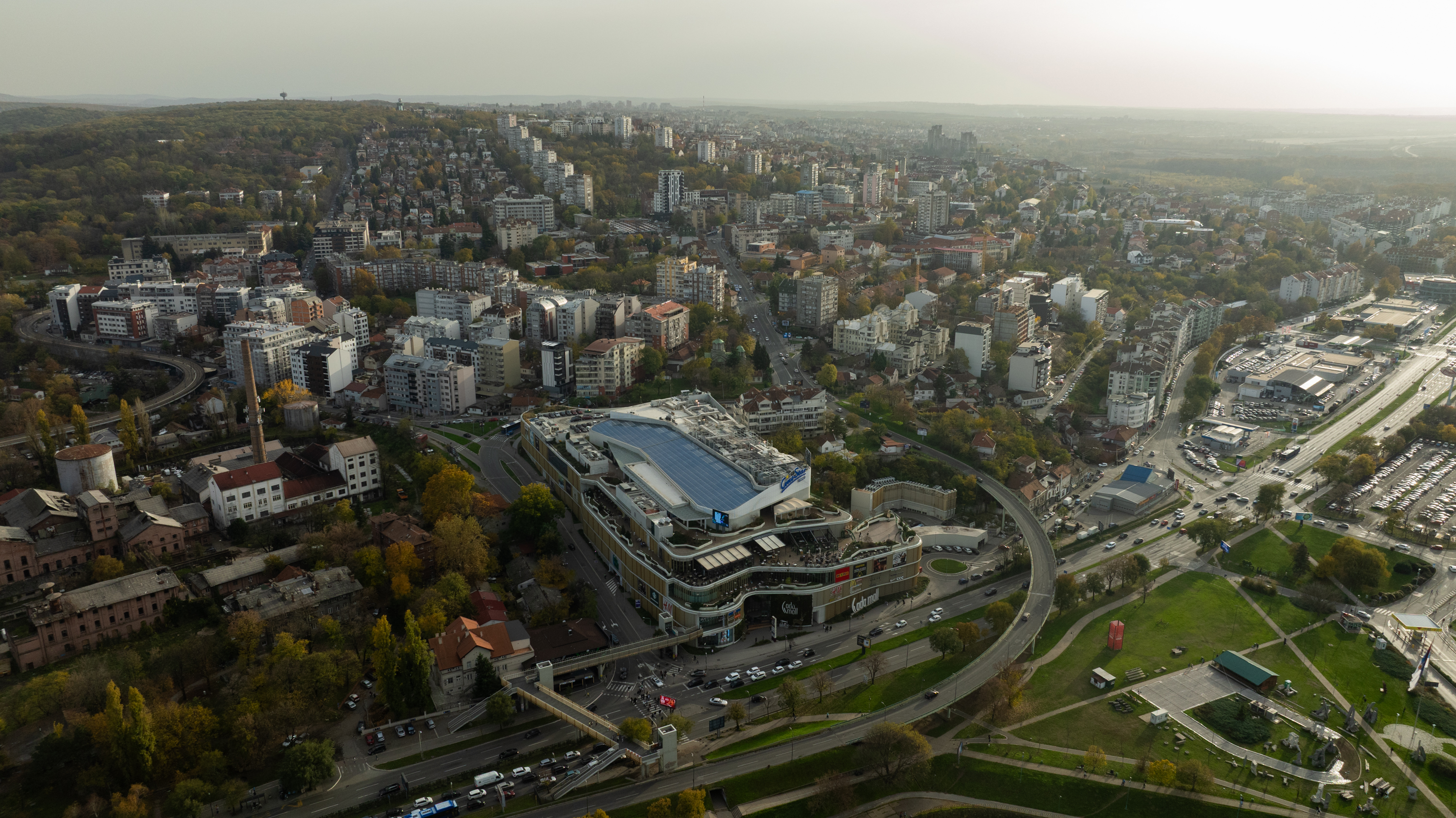
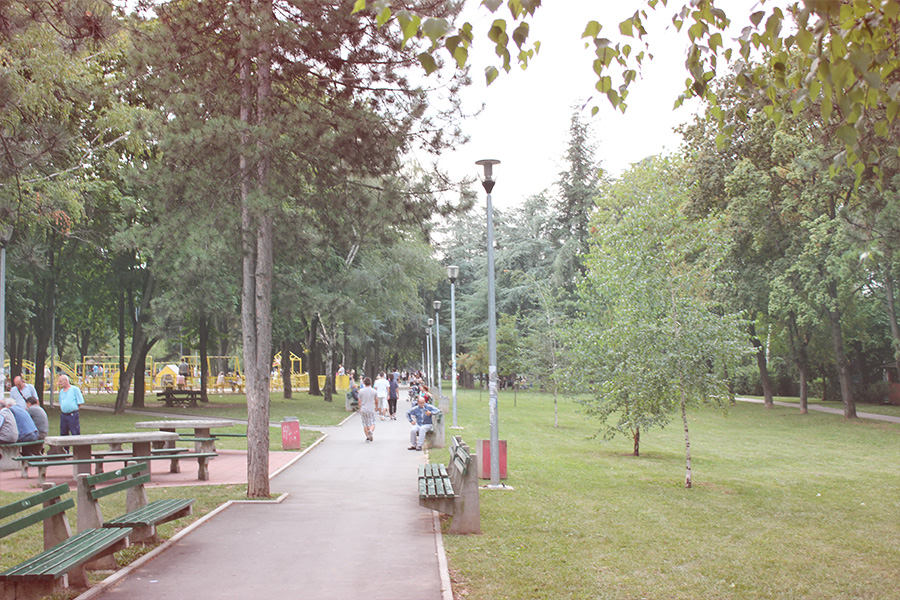
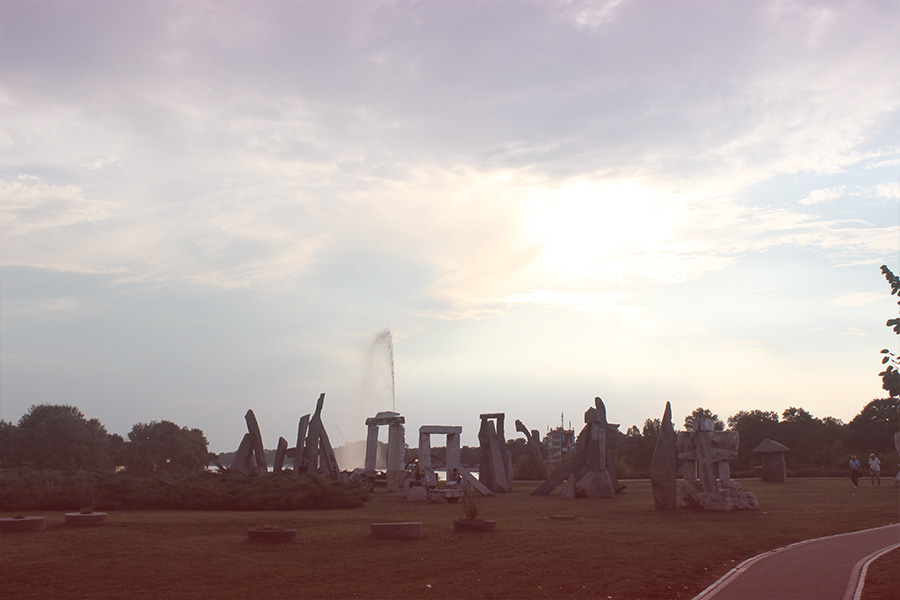
This municipality is especially attractive to nature lovers who do not want to give up the comfort and convenience of city living. In the past, this area was known for vineyards and flower gardens; today, it features modern streets, parks, forest areas, and a large recreational lake, all of which highlight the unique character of Čukarica.
Basic information about the Municipality of Čukarica
The Municipality of Čukarica covers an area of 15,650 hectares and has a population of nearly 200,000 inhabitants. It is divided into an urban (city) zone and a suburban zone.
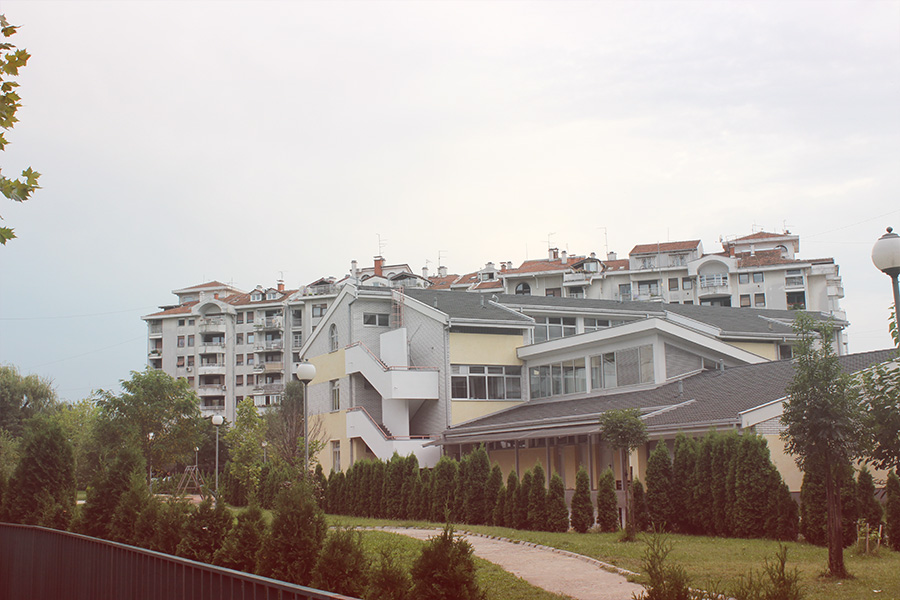
The urban part consists of 15 neighborhoods and is fully integrated into Belgrade’s city vibe, while the suburban part includes 8 settlements with a more residential character.
The administrative and social center of Čukarica is Banovo Brdo, where the municipal offices are located. Other well-known neighborhoods include Žarkovo and Železnik. The administrative and social center of Čukarica is Banovo Brdo, where the municipal offices are located. Other well-known neighborhoods include Žarkovo and Železnik. Explore the current selection of apartments available for rent in Banovo Brdo.
If you are considering exploring or moving to Čukarica, we invite you to browse our current property listings. Many visitors fall in love with this part of Belgrade at first sight.
Useful addresses and contacts in Čukarica
Municipality of Čukarica Šumadijski trg 2 Working hours: 08:00–17:00 Phone: +381 11 3052 100 Website: www.cukarica.rs Email: [email protected]
Čukarica Public Healthcare Facility Požeška 82 Working hours: 07:00–20:00 Phone: +381 11 3538 300 Website: www.dzcukarica.rs
History of Čukarica and the origin of its name
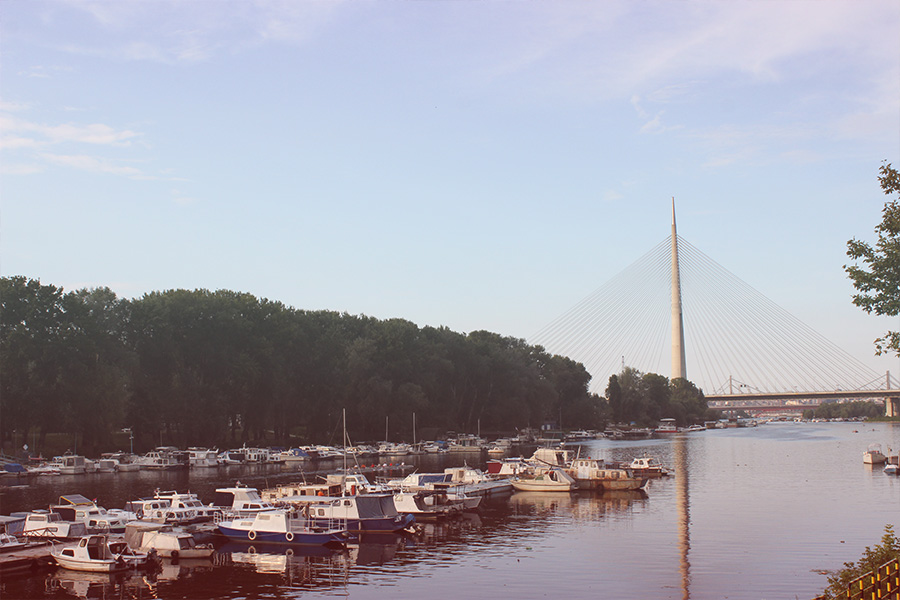
The name Čukarica originates from an old tavern owned by Stojko “Čukara” Janković, built around 1850. The inn served as a resting place for travelers and merchants coming from western Serbia and was located near today’s Ada Ciganlija: a river island transformed into a major recreational zone with a lake and beaches.
Over time, the surrounding area became known by the same name. Until the mid-19th century, the area of today’s Čukarica and Banovo Brdo was largely uninhabited, consisting mainly of fields, vineyards, and pastures.
The construction of the Belgrade–Niš railway in 1884 and the development of early industry accelerated urban growth. Banovo Brdo became known as a cultural and intellectual gathering place, particularly due to the summer residence of writer and diplomat Matija Ban.
Čukarica became an independent municipality in 1911, separating from Žarkovo. Industrial facilities such as Serbia’s first sugar factory and a shipyard played a key role in its economic development.
After World War II, Čukarica underwent significant urbanization, with new residential complexes, infrastructure upgrades, and the integration of former village areas into the city. Modern neighborhoods such as Cerak, Julino Brdo, and Bele Vode emerged during this period.
Why live in Čukarica?
Čukarica is known for its abundance of green spaces and parks while still offering modern urban infrastructure. It is ideal for those seeking a quieter lifestyle without sacrificing proximity to central Belgrade.
Key attractions include:
Ada Ciganlija, Belgrade’s main recreational and swimming area
Košutnjak Forest, a large park and picnic area
Belgrade Hippodrome, the city’s oldest sports facility
Ada Bridge, a modern cable-stayed bridge with a 200-meter pylon
The municipality also features several churches, cultural heritage sites, and archaeological locations such as Ledine (Žarkovo) and Medovište (Velika Moštanica).
Real estate prices in Čukarica
In 2025, the average apartment price in new developments is approximately €2,780 per m², while apartments in older buildings average around €1,909 per m².
Prices vary significantly depending on the micro-location. Areas closer to the city center or with better infrastructure tend to be more expensive, while suburban neighborhoods offer more affordable options.
More expensive areas: Banovo Brdo, Čukarička Padina, Golf Settlement (€2,900–3,500/m²)
More affordable areas: Velika Moštanica, Ostružnica, Rušanj, Sremčica, Umka, Pećani, and Rucka, where prices are considerably lower than the Belgrade average.
Infrastructure and public transport
Čukarica is well connected to the rest of Belgrade through an extensive network of buses and tram lines. Both urban and suburban neighborhoods have reliable access to public transportation, making daily commuting practical and efficient.
Sports, education, shopping, and leisure
Čukarica offers numerous sports facilities, including the Košutnjak Sports and Recreation Center, as well as professional football and basketball clubs competing at the national level.
Educational institutions include 19 primary schools, 7 high schools, several higher education institutions, and numerous kindergartens.
For shopping and leisure, residents can enjoy local markets, restaurants, cafés, small shopping centers, and the Ada Mall, located near Ada Ciganlija.
If you want to explore Cukarica, see our offer of apartments in Belgrade, Cukarica. We believe that you will fall in love at first sight with this part of the Belgrade!
This website uses cookies. If you want to know more about the concept of cookies and how to turn them off, see the Cookie Policy. By continuing to use this website, you consent to our use of these cookies.