The type of heating affects comfort, monthly utility bills, and even the quality of the air we breathe. In this article, we provide an overview of all relevant heating systems in Serbia, so you can make an informed decision when choosing a home.
How to choose heating based on the type of property and household needs?
The first step is to assess your home and the needs of its residents:
Property characteristics: Size, insulation, age of the building, and construction materials. Well-insulated buildings consume less energy, which lowers heating costs. Therefore, thermal insulation is something you should pay special attention to when buying an apartment or building a house.
Household needs: Families with children or elderly members may prefer systems with individual temperature control.
Financial capacity: Installing underfloor heating or heat pumps requires higher initial investment but can significantly reduce long-term costs.
Heating systems in Serbia
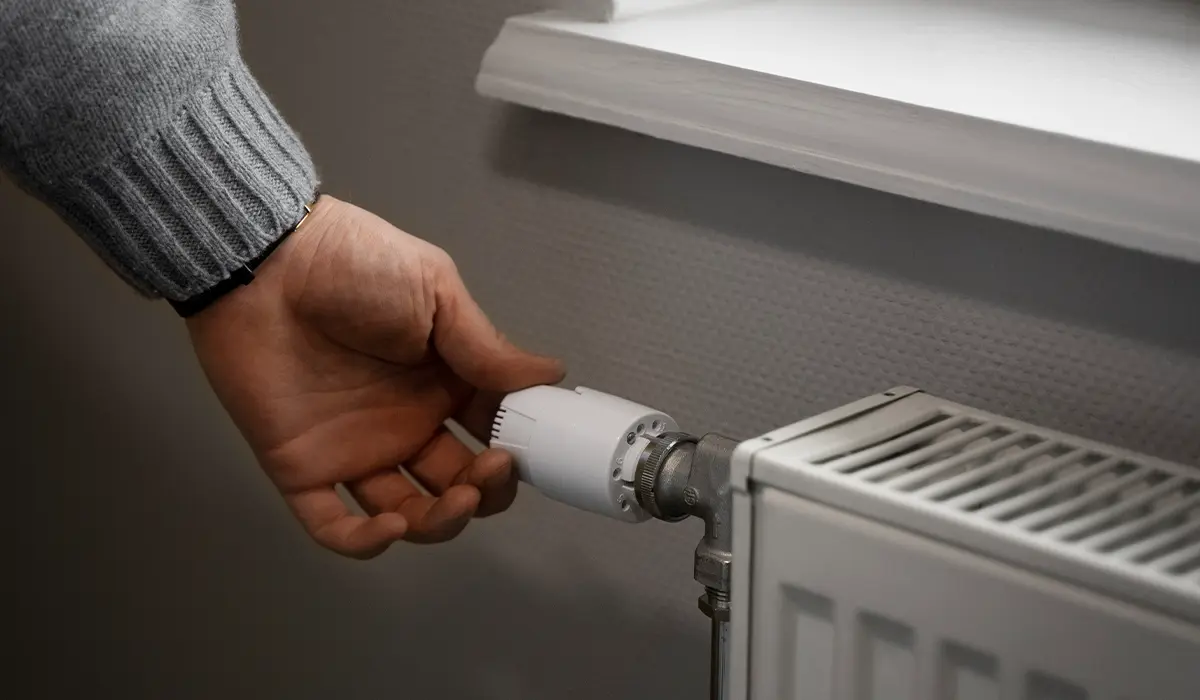
Radiator heating
The most common individual heating systems in homes are those with central boilers that heat radiators in each room. They use one of the following energy sources:
Gas: Practical and fast heating, relatively low consumption. CO₂ emissions are lower than with wood or coal, but it still contributes to the greenhouse effect and is therefore not an ecologically friendly option.
Pellets: A renewable energy source, and relatively clean. Pellet combustion releases fewer particles than wood or coal, making it better for local air quality and household health.
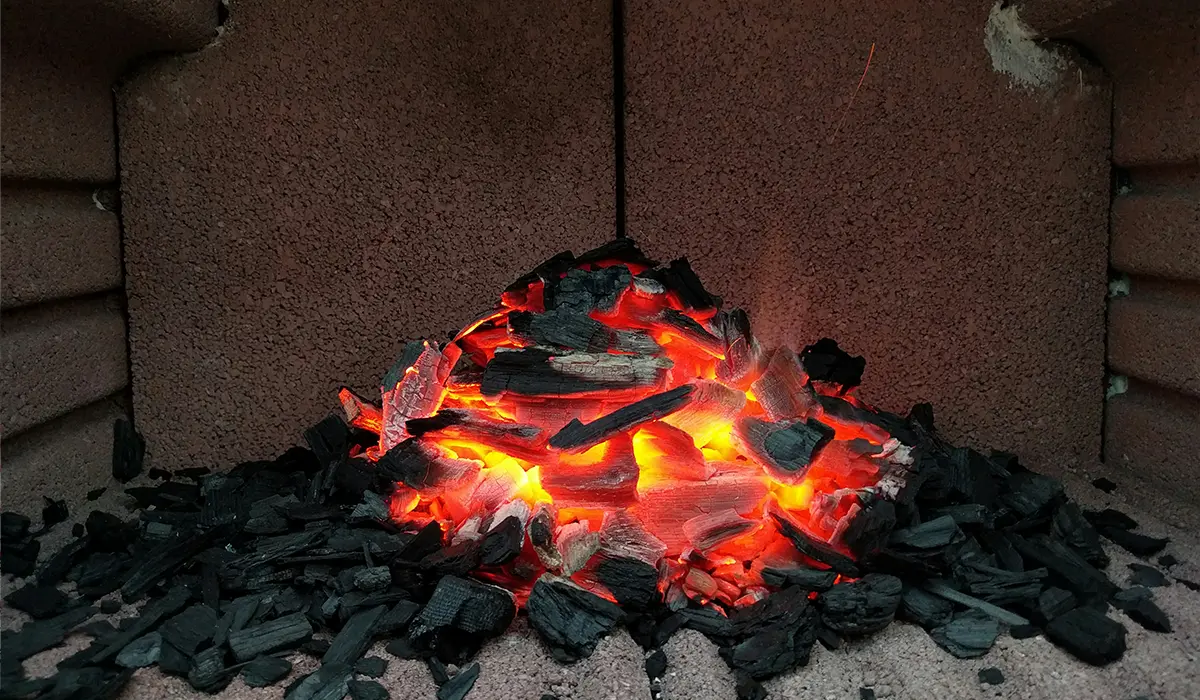
Wood/coal: Lower costs, but a higher impact on pollution. Burning wood or coal releases PM2.5 particles, benzene, and other harmful substances that can irritate airways and increase the risk of respiratory diseases.
Pros: Independence from district heating, room-by-room temperature control. Cons: Maintenance, fuel supply, particle emissions from solid fuels, potential negative impact on health and air quality.
Price in Serbia: From €1,500 to €6,000 for a complete boiler and radiator system, depending on fuel type and boiler capacity.
Underfloor heating
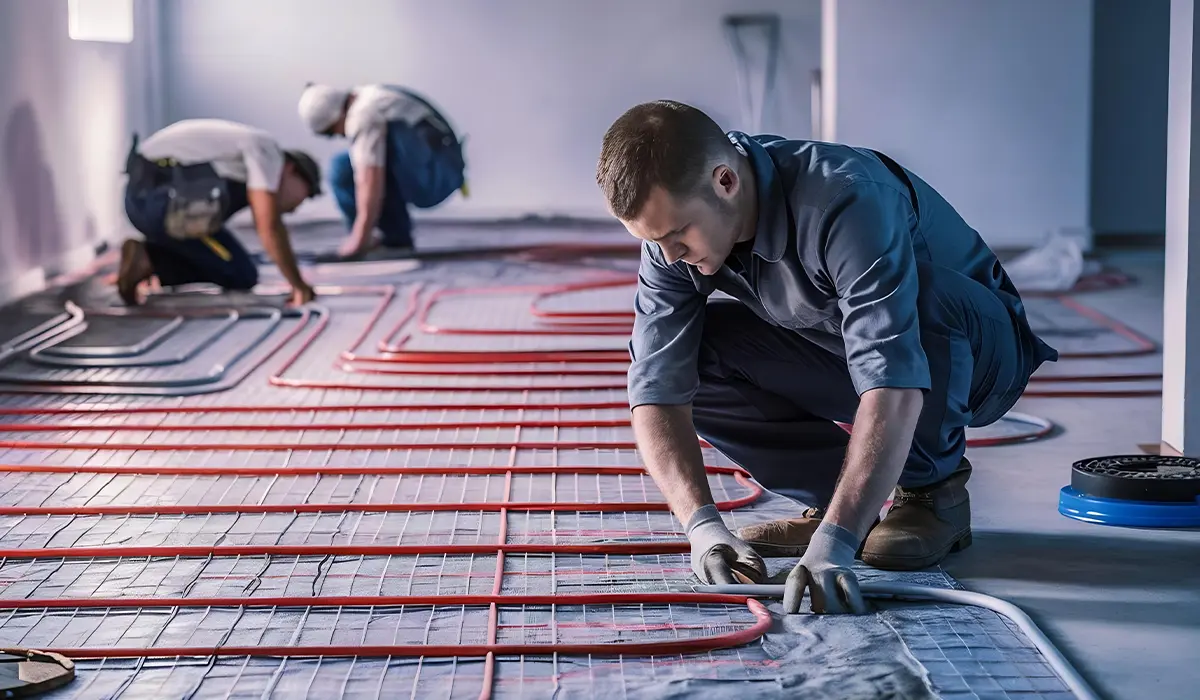
Underfloor heating distributes warmth evenly from the floor upwards, eliminating cold zones in rooms.
It can be hydronic (water-based) or electric:
Hydronic: Excellent for larger houses; uses a boiler and a system of pipes beneath the floor. Monthly costs are lower than with electric underfloor heating.
Electric: Easier installation, suitable for smaller apartments, but more expensive in terms of electricity consumption.
Pros: Even temperature, high comfort, environmentally friendly. Cons: Higher initial financial and time investment; requires quality flooring and insulation.
Price in Serbia: From €15 to €40+ per square meter. Due to installation costs and monthly consumption (which depends on heated area), you can assess whether this option is cost-effective for you.
Inverter air conditioners
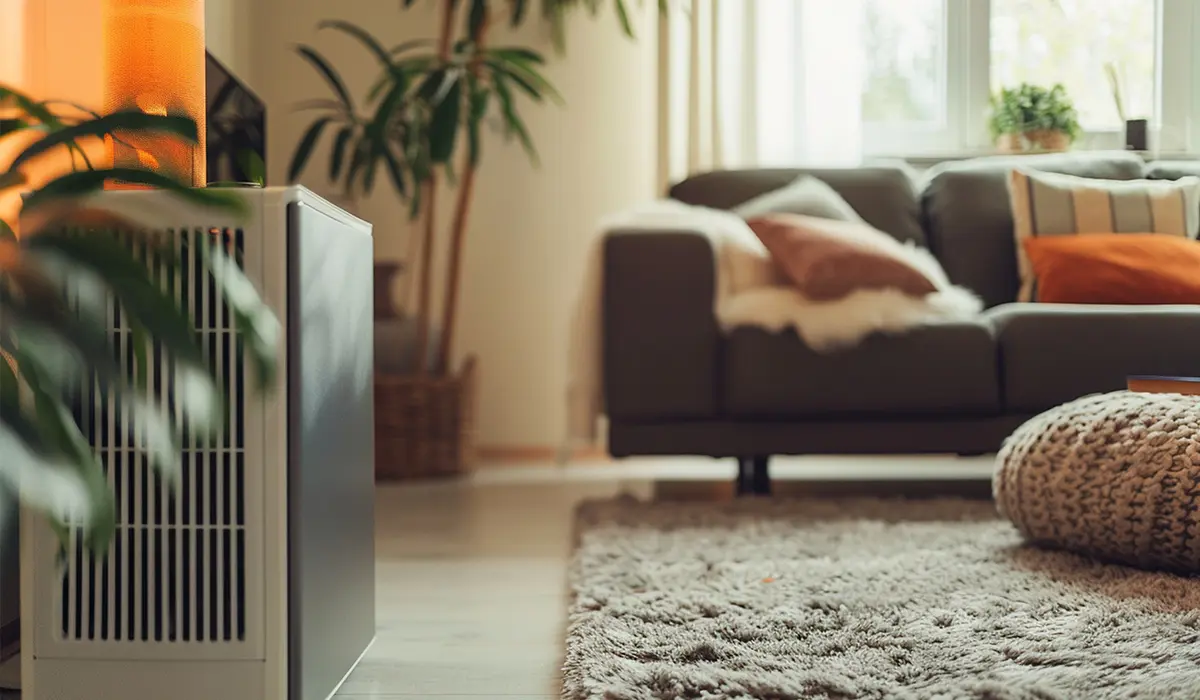
An increasingly popular choice in apartments and smaller houses, especially in urban areas. Inverter AC units heat spaces using electricity with high energy efficiency, adjusting power to actual needs. They are ideal for transitional seasons and mild winters and are often combined with other heating sources.
Pros: Fast temperature control, lower consumption compared to classic electric heaters, cooling in summer. Cons: Reduced efficiency at very low temperatures, dependence on electricity prices and outdoor temperature.
Prices in Serbia: From around €250 for basic models, €400–600 for mid-range units, up to €850+ for higher-quality and more powerful models, depending on brand and capacity.
Eco-friendly heating options in Serbia
Heat pumps
Heat pumps use energy from air, ground, or water to heat water in the heating system and can also cool spaces in summer, using only a small amount of electricity for the compressor.
Pros: Very energy-efficient; can reduce energy consumption and heating/cooling bills by up to 60% compared to classic electric boilers. No harmful emissions inside the home.
Cons: High initial investment, require good insulation to be cost-effective, and professional installation.
Installation cost in Serbia: Typically €10,000–20,000 for an average house, depending on system type and capacity.
Solar systems
Solar panels use sunlight to heat water or support heating systems. They are usually combined with boilers or heat pumps, reducing electricity, gas, or pellet consumption.
Pros: Reduce CO₂ emissions, save energy, and lower long-term bills. Ideal for areas with many sunny days.
Cons: High initial costs, need sufficient roof or land area, and depend on backup systems when sunlight is insufficient.
Price in Serbia:€5,000–12,000 for systems supporting heating and hot water, depending on system size and number of panels.
Although these are among the most expensive systems at first glance, subsidies are often available for installing heat pumps and solar panels. Keep an eye on these opportunities if you plan to switch to greener energy use.
Comparative heating costs in Serbia
System
Installation
Monthly cost
Environmental impact
Underfloor heating (water-based)
€25–60/m²
€40–60
Good
Gas heating
€1,500–4,000
€50–100
Acceptable
Pellet heating
€2,500–6,000
€30–60
Good
Heat pumps
€10,000–20,000
€20–50
Excellent
District heating
€0–100
€40–100
Acceptable
Wood heating
€500–2,000
€20–50
Poor
Electric heating
€200–1,000
€50–150
Acceptable
When planning your heating system, think long-term: choose solutions that save energy and money while protecting health. More efficient options are already available on the market, as shown in this article.
This website uses cookies. If you want to know more about the concept of cookies and how to turn them off, see the Cookie Policy. By continuing to use this website, you consent to our use of these cookies.